 中文站
中文站 联系 - 热线
0531-69953988
 联系 - 热线
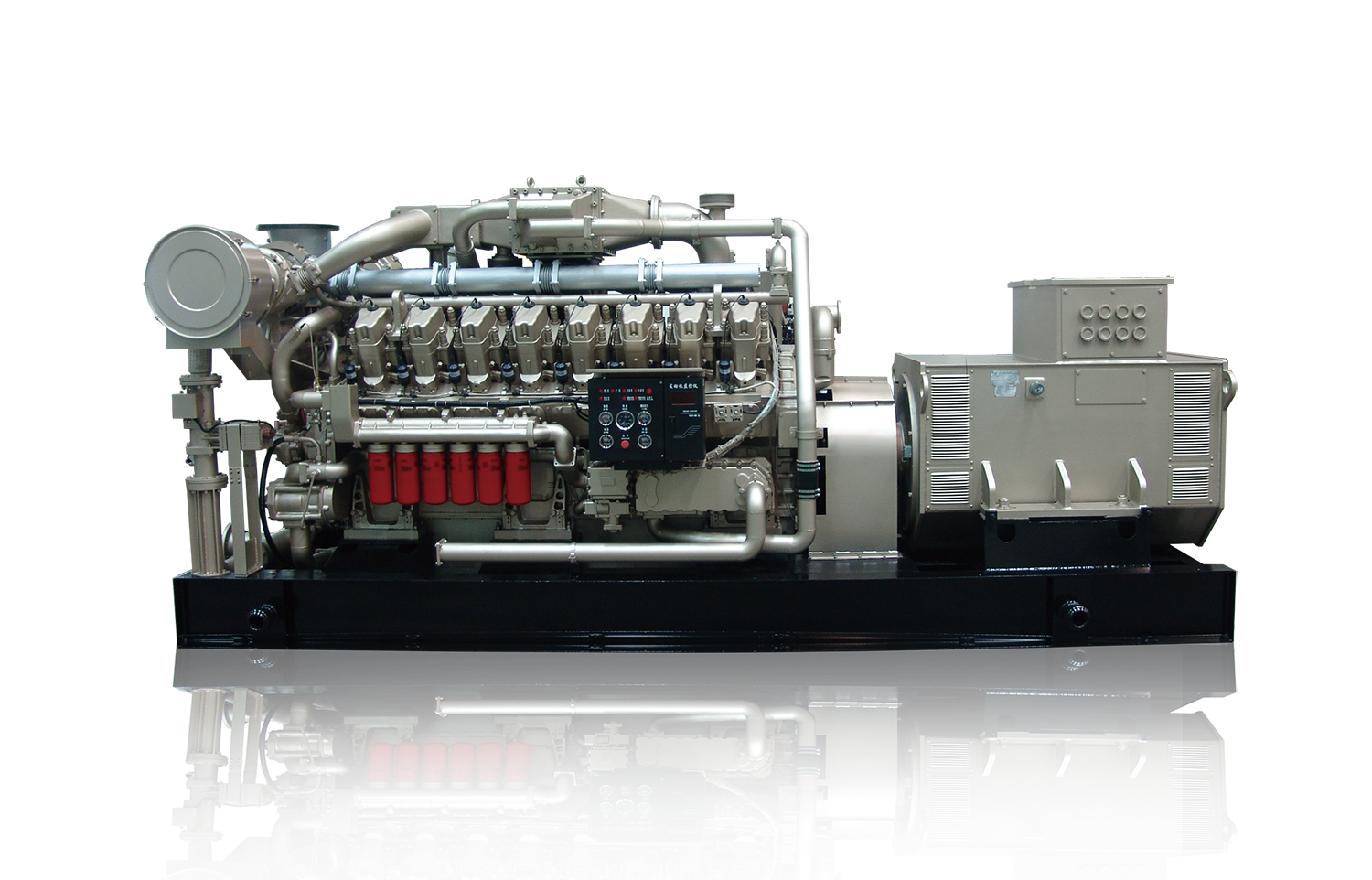
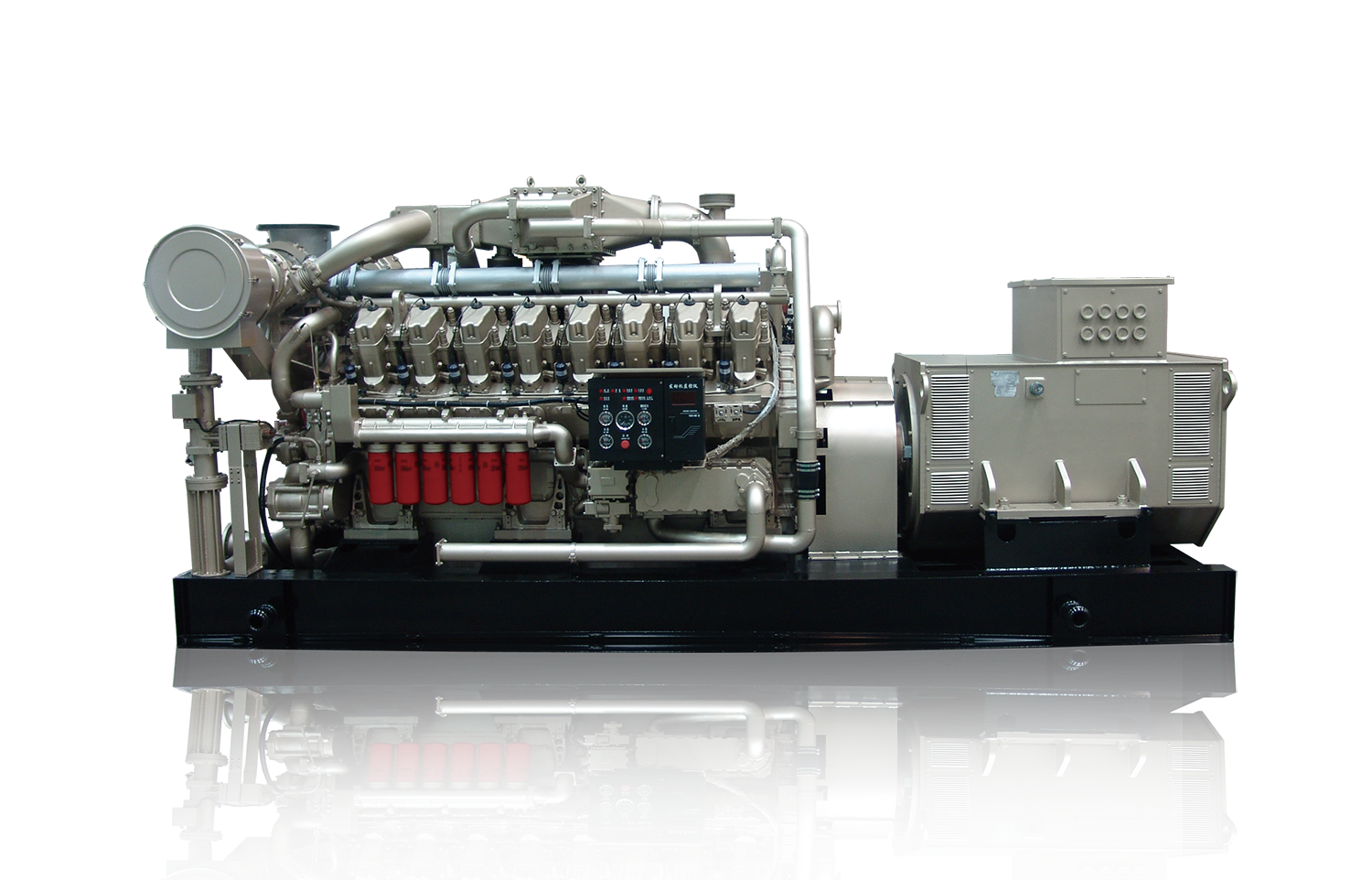
驰放气发电机组:立足生物质气化技术,赋能生物质发电产业链价值升级
一天吃透一条产业链:生物质发电
Mastering one industry chain in a day: biomass power generation
一、全景图:它到底是什么?生物质发电,简单说就是把农林废弃物、生活垃圾、畜禽粪便等“生物质”作为燃料,通过技术手段转换成电能的过程。它的核心价值在于:变废为宝: 处理废弃物的同时产生能源。碳中和: 生物质生长时吸收CO?,燃烧时排放CO?,理论上碳净零排放。稳定可控: 相比风电、光伏的间歇性,生物质发电可稳定输出,作为基荷电源或调节电源。
1、 Panorama: What exactly is it? Biomass power generation, in simple terms, refers to the process of using agricultural and forestry waste, household waste, livestock manure and other "biomass" as fuel and converting them into electrical energy through technological means. Its core value lies in turning waste into treasure: generating energy while processing waste. Carbon neutrality: Biomass absorbs CO ? during growth and emits CO ? during combustion, theoretically achieving net zero carbon emissions. Stable and controllable: Compared to the intermittency of wind and photovoltaic power, biomass power generation can provide stable output as a base load power source or regulating power source.
二、上游:原料收集与供应——产业的生命线这是整个产业链最关键、也最脆弱的环节。原料的成本、供应稳定性直接决定项目的生死。
2、 Upstream: Raw material collection and supply - the lifeline of the industry. This is the most critical and vulnerable link in the entire industrial chain. The cost and supply stability of raw materials directly determine the life or death of a project.
1. 原料类型:农业废弃物: 秸秆、稻壳、甘蔗渣等。(我国主要来源)林业废弃物: 林木采伐残余物、木材加工边角料等。生活垃圾: 通过垃圾焚烧发电,是城市生物质能的主要形式。畜禽粪便: 通过厌氧发酵产生沼气(甲烷)再发电。能源作物: 专门种植用于能源的植物,如柳枝稷、芒草等。(我国尚处起步阶段)
1. Raw material type: Agricultural waste: straw, rice husk, sugarcane bagasse, etc. (Main sources in China) Forestry waste: forest logging residues, wood processing scraps, etc. Household waste: Power generation through waste incineration is the main form of urban biomass energy. Livestock manure: anaerobic fermentation produces biogas (methane) for power generation. Energy crops: Plants specifically grown for energy purposes, such as switchgrass and fescue. (China is still in its infancy)
2. 核心痛点与商业模式:分散性: 原料分布松散,收集、运输、储存成本高。季节性: 农作物收获期原料集中,需解决全年均衡供应问题。商业模式:建立收储运体系: 发电企业自建或与第三方合作,设立村级收购点,打包、运输至电厂。“电厂+农户”订单模式: 与农户或合作社签订长期供应协议,锁定原料和价格。
2. Core pain points and business model: Dispersion: Loose distribution of raw materials, high collection, transportation, and storage costs. Seasonality: During the harvest period of crops, raw materials are concentrated, and it is necessary to solve the problem of balanced supply throughout the year. Business model: Establish a collection, storage, and transportation system: Power generation companies build their own or cooperate with third parties to set up village level acquisition points, package and transport to power plants. The "power plant+farmer" order model: Sign long-term supply agreements with farmers or cooperatives to lock in raw materials and prices.
三、中游:技术路径与设备制造——产业的心脏根据原料和技术不同,主要分为三条技术路径。
3、 Midstream: Technological Path and Equipment Manufacturing - The heart of the industry is mainly divided into three technological paths based on different raw materials and technologies.
1. 直接燃烧发电:原理: 类似燃煤发电,将生物质送入锅炉直接燃烧,产生高温高压蒸汽,驱动汽轮发电机组发电。适用: 秸秆、稻壳、木屑等固体燃料。核心设备: 生物质锅炉、汽轮机、发电机。特点: 技术最成熟,应用最广泛,但锅炉腐蚀和结渣问题需要关注。
1. Direct combustion power generation: Principle: Similar to coal-fired power generation, biomass is sent to a boiler for direct combustion, generating high-temperature and high-pressure steam to drive a steam turbine generator unit to generate electricity. Applicable: Solid fuels such as straw, rice husk, sawdust, etc. Core equipment: biomass boiler, steam turbine, generator. Characteristics: The technology is the most mature and widely used, but boiler corrosion and slagging issues need to be addressed.
2. 沼气发电:原理: 畜禽粪便、有机废水等在厌氧环境下发酵,产生沼气(主要成分CH?),经净化后送入燃气内燃机发电。适用: 养殖场、食品加工厂、污水处理厂等。核心设备: 厌氧发酵罐、沼气净化装置、燃气内燃机。特点: 环境效益好,实现污染治理与能源生产结合。
2. Biogas power generation: Principle: Livestock manure, organic wastewater, etc. are fermented in an anaerobic environment to produce biogas (mainly composed of CH ?), which is purified and sent to a gas internal combustion engine for power generation. Applicable: Livestock farms, food processing plants, sewage treatment plants, etc. Core equipment: anaerobic fermentation tank, biogas purification device, gas internal combustion engine. Characteristics: Good environmental benefits, achieving a combination of pollution control and energy production.
3. 气化发电:原理: 在缺氧条件下将生物质部分燃烧,使其转化为可燃气体(如CO、H?、CH?等),净化后用于发电。适用: 木屑、稻壳等。核心设备: 气化炉、气体净化系统、燃气内燃机或燃气轮机。特点: 发电效率较高,是未来技术发展方向之一,但技术复杂度和成本也更高。主要玩家:国企/央企: 国家电投、华能、大唐等纷纷布局生物质发电。环保企业: 光大环境、绿色动力、瀚蓝环境等(主要在垃圾焚烧发电领域)。设备商: 杭州锅炉集团、无锡华光等(锅炉);潍柴、玉柴等(燃气内燃机)。
3. Gasification power generation: Principle: Under anaerobic conditions, biomass is partially burned to convert it into combustible gases (such as CO, H ?, CH ?, etc.), which are purified and used for power generation. Applicable: sawdust, rice husk, etc. Core equipment: gasifier, gas purification system, gas internal combustion engine or gas turbine. Characteristics: High power generation efficiency, which is one of the future technological development directions, but the technical complexity and cost are also higher. Main players: state-owned enterprises/central enterprises: State Power Investment Corporation, Huaneng, Datang, etc. have all laid out biomass power generation. Environmental protection enterprises: Everbright Environment, Green Power, Hanlan Environment, etc. (mainly in the field of waste incineration power generation). Equipment vendors: Hangzhou Boiler Group, Wuxi Huaguang, etc. (boilers); Weichai, Yuchai, etc. (gas internal combustion engines).
四、下游:并网销售与副产品利用——价值的实现
4、 Downstream: Grid connected sales and utilization of by-products - realization of value
1. 电力上网:电价机制: 我国对生物质发电实行标杆上网电价+补贴政策。项目电价由当地燃煤标杆电价和可再生能源补贴组成。现状与趋势: 行业早期高度依赖补贴。近年来政策导向明确,新建项目正逐步转向竞争性配置(平价上网),补贴退坡是大势所趋,倒逼企业降低成本、提高效率。2. 副产品利用(创造额外收入的关键):灰渣: 燃烧后的灰渣富含钾,可加工成有机肥或用于建筑材料。热能: 实施热电联产,在发电的同时为周边工业园区或居民区供热,能极大提升项目综合能源利用效率和经济效益。炭/生物炭: 气化过程的副产品,可作为土壤改良剂或工业燃料。
1. Electricity grid connection: Electricity pricing mechanism: China implements benchmark grid connection electricity prices and subsidy policies for biomass power generation. The project electricity price is composed of the local benchmark electricity price for coal-fired power and subsidies for renewable energy. Current situation and trend: The industry was highly dependent on subsidies in the early stages. In recent years, policy guidance has been clear, and new construction projects are gradually shifting towards competitive allocation (affordable internet access). Subsidy reduction is the trend, forcing enterprises to reduce costs and improve efficiency. 2. By product utilization (key to generating additional income): Ash: After combustion, ash is rich in potassium and can be processed into organic fertilizers or used as building materials. Thermal energy: Implementing combined heat and power generation can provide heating for surrounding industrial parks or residential areas while generating electricity, greatly improving the overall energy utilization efficiency and economic benefits of the project. Charcoal/Biochar: A byproduct of gasification process, which can be used as a soil amendment or industrial fuel.
五、产业链投资逻辑与风险
5、 The logic and risks of industrial chain investment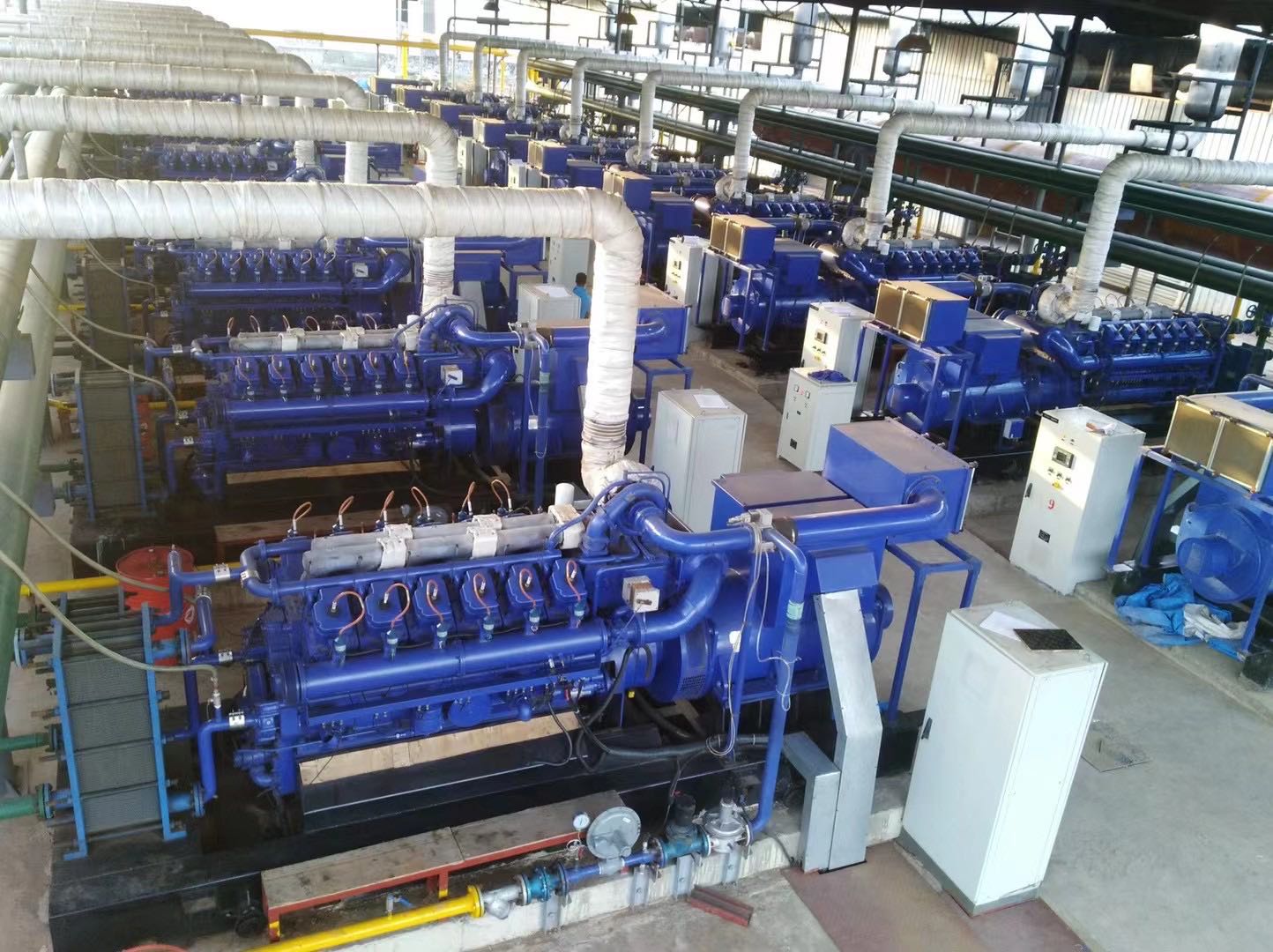
1. 核心投资逻辑:政策驱动转向市场驱动: 补贴时代结束,拥有高效机组、优秀管理能力和强大原料管控体系的企业将胜出。热电联产是王道: 单一发电盈利困难,“发电+供热”双轮驱动是提升项目盈利能力的关键。技术升级带来效率革命: 高效气化、生物天然气等新技术有望突破成本瓶颈。碳交易价值: 生物质发电的减排量可在全国碳市场交易,未来可能成为重要收入补充。
1. Core investment logic: Policy driven to market driven: With the end of the subsidy era, enterprises with efficient units, excellent management capabilities, and strong raw material control systems will win. Cogeneration is the king: it is difficult to generate profits from a single source of electricity, and the dual wheel drive of "power generation+heating" is the key to improving project profitability. Technological upgrading brings about an efficiency revolution: new technologies such as efficient gasification and biogas are expected to break through cost bottlenecks. Carbon trading value: The emission reduction from biomass power generation can be traded in the national carbon market and may become an important source of income in the future.
2. 主要风险:原料风险: 价格波动、供应中断。政策风险: 补贴拖欠(存量项目)、补贴退坡。技术风险: 设备运行不稳定,转化效率不达预期。环保风险: 如处理不当,可能产生二噁英(垃圾焚烧)等二次污染。
2. Main risks: Raw material risks: price fluctuations, supply interruptions. Policy risks: subsidy arrears (existing projects), subsidy reduction. Technical risk: Unstable operation of equipment and unexpected conversion efficiency. Environmental risks: Improper handling may result in secondary pollution such as dioxins (waste incineration).
六、未来展望:“生物质+”与负碳技术生物质发电的未来不止于“电”。生物质能碳捕集与封存: 这是实现负排放的颠覆性技术。将生物质发电产生的CO?捕集并封存,相当于从大气中净移除CO?,对实现碳中和目标意义重大。生物质制氢/生物燃油: 将生物质转化为更高价值的清洁燃料。与农业、环保深度融合: 打造“种植-收割-发电-肥料-还田”的循环经济模式。一句话吃透生物质发电产业链:它以废弃物为起点,通过收储运体系解决供应,依靠燃烧/气化/厌氧三大技术路径转化,最终实现电力与热能的稳定输出,并积极探索碳负排的未来之路。其核心竞争力正从政策补贴转向成本控制与综合效益,是一条典型的、正在走向成熟的绿色循环经济产业链。
6、 Future outlook: "Biomass+" and negative carbon technology. The future of biomass power generation is not just about "electricity". Biomass energy carbon capture and storage: This is a disruptive technology for achieving negative emissions. Capturing and storing CO ? generated by biomass power generation is equivalent to net removal of CO ? from the atmosphere, which is of great significance for achieving carbon neutrality goals. Biomass hydrogen production/biofuel: converting biomass into higher value clean fuels. Deep integration with agriculture and environmental protection: creating a circular economy model of "planting harvesting power generation fertilizer returning to the field". One sentence to fully understand the biomass power generation industry chain: it starts with waste, solves supply through a collection, storage, and transportation system, relies on the three major technological paths of combustion/gasification/anaerobic conversion, and ultimately achieves stable output of electricity and heat energy, and actively explores the future path of carbon negative emissions. Its core competitiveness is shifting from policy subsidies to cost control and comprehensive benefits, and it is a typical green circular economy industry chain that is moving towards maturity.
业务分类
Business classification产品推荐
product recommendation联系方式
Contact Information
截屏,微信识别二维码



 公司地址:山东省济南市章丘区龙山街道潘王路24239号(龙山工业园八号路)